

Miami-Dade owners can now pay property taxes with Bitcoin, and the payment carries a federal tax question of its own. The Internal Revenue Service (IRS) treats spending a digital asset as disposing of it, so a capital gain or loss can follow the moment the bill is paid.
County Tax Collector Dariel Fernandez announced the option on Monday, Nov. 9, 2026, according to CBS Miami. It arrives in November, the month Florida law sets aside for the largest early-payment discount on property taxes. This article explains how the IRS describes the tax side, using pages read on Nov. 10, 2026.
If I pay property taxes with Bitcoin, do I owe capital gains tax?
You may. The IRS says paying for goods or services with virtual currency held as a capital asset is an exchange. The gain or loss is the difference between the value of what you received and your adjusted basis. A coin worth more than you paid produces a gain; one worth less produces a loss.
The IRS reaches that answer in its Frequently Asked Questions on Virtual Currency Transactions, FAQs 14 to 17. It reaches the same kind of result when virtual currency is sold for U.S. dollars, in FAQ 4. Under the county's setup, as CBS Miami describes it, the coin is converted to dollars at the moment you pay. Either way the coin leaves your hands, and the IRS counts that as a disposal.
The IRS adds a note on the FAQ page: the answers generally address transactions completed before Jan. 1, 2025. Its separate digital assets page, updated Sept. 2, 2026, also lists these kinds of disposals. How your own payment is classified on your return is a question to settle with your tax professional.
How Miami-Dade property taxes with Bitcoin work
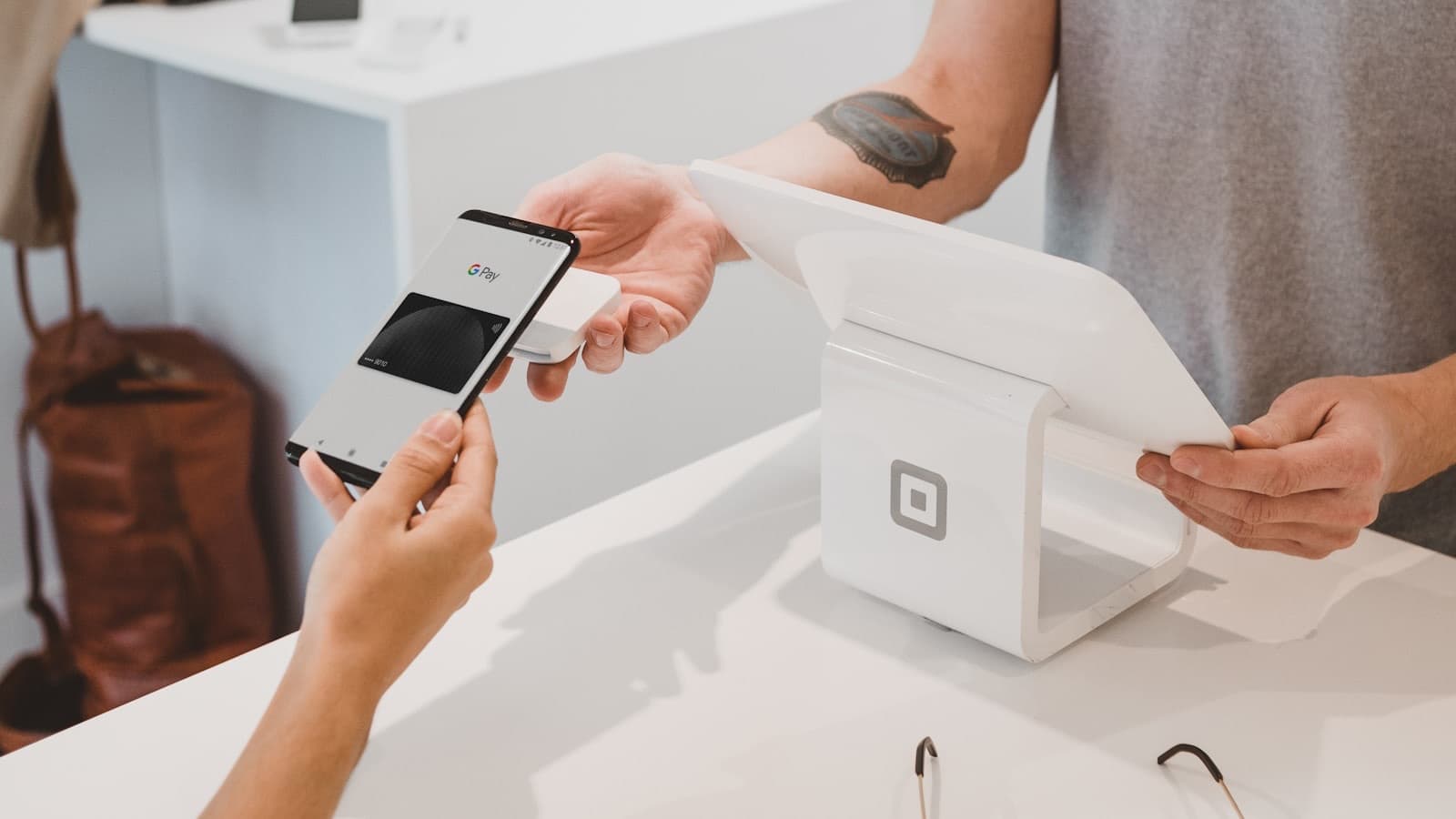
Here is the program as CBS Miami described it on Nov. 9, 2026. Owners can pay online or in person through a supported cryptocurrency exchange account or digital wallet. Online, they connect the wallet or account at checkout; in person, they ask for the crypto option at a Tax Collector's Office location.
A third-party system converts the cryptocurrency to U.S. dollars at the time of payment, so the county receives the amount owed in dollars. The office says it will not hold, invest in or manage cryptocurrency directly. Checks, credit and debit cards, and cash remain available.
The report does not name the conversion company, any fee, any limit or which coins are accepted. CBS Miami points readers to the Tax Collector's website, mdctaxcollector.gov, for program details. Every program detail in this article comes from the CBS Miami report.
A worked example: basis, value at payment, gain
The numbers below are made up to show the arithmetic. They are not drawn from any real account.
Say an owner bought Bitcoin in 2023 and paid $1,800, including the exchange fee. The IRS says basis is what you spent to acquire the coin, fees and commissions included, measured in dollars (FAQ 8). On the day she pays, the Bitcoin she sends converts to $4,800, the amount due on her bill.
| Step | Illustration | IRS rule behind it |
|---|---|---|
| Basis in the coins sent | $1,800 (price plus exchange fee) | FAQ 8: amount spent to acquire, including fees |
| Value received at payment | $4,800 (the tax bill paid) | FAQs 15 and 17: fair market value of what you received |
| Gain or loss | $4,800 minus $1,800 = $3,000 gain | FAQs 14 to 17: the difference is a capital gain or loss |
| Holding period | Bought in 2023, so more than one year | FAQ 6: more than one year is long-term |
| Same coins bought for $6,000 | $4,800 minus $6,000 = $1,200 loss | FAQ 4: limits on deducting capital losses may apply |
Change one fact and the label changes. If she had bought the same coins eight months before paying, the $3,000 would be a short-term gain. The holding period begins the day after the coin is acquired and ends on the day it is disposed of (FAQ 6).
Most owners send only part of what they hold. Then the basis that counts is the basis of the specific units sent. IRS FAQ 40 says records identifying a unit must show when it was acquired, its basis and value, and what was received when it left. Coins you inherited are a separate case; our step-up in basis guide explains how inherited assets are valued.
Short-term or long-term: the one-year line
The IRS sorts the result by how long you held the coin. This table sets out the rule as FAQ 6 and FAQ 43 state it.
| Question | Short-term | Long-term |
|---|---|---|
| How long the coin was held | One year or less | More than one year |
| When the clock starts | The day after you acquired the coin | The day after you acquired the coin |
| When the clock stops | The day you sell or exchange it | The day you sell or exchange it |
| Where it is reported | Form 8949, totals to Schedule D (Form 1040) | Form 8949, totals to Schedule D (Form 1040) |
The IRS FAQ 29 adds one detail for coins you received rather than bought: the holding period begins the day after you received them.
Is paying with crypto a taxable event on my return?
The IRS digital assets page answers the reporting side. It lists exchanging a digital asset for property, goods or services, in any amount, as a disposal, along with selling it for U.S. dollars. It says disposals must be reported whether or not they result in a taxable gain or loss.
Form 1040 asks a yes or no question. Its second part covers any time during the tax year. It reads: did you "sell, exchange, or otherwise dispose of a digital asset (or a financial interest in a digital asset)?" The IRS page says to answer yes after a disposal. Holding coins, buying them with dollars, or moving them between your own wallets is a no, unless you paid a transaction fee in a digital asset.
Brokers now report too. Form 1099-DA, Digital Asset Proceeds from Broker Transactions, covers gross proceeds for transactions effected on or after Jan. 1, 2025. Basis reporting applies to certain transactions on or after Jan. 1, 2026. The CBS Miami report does not say whether the county's conversion service will send one.
Records to keep when you pay with Bitcoin
IRS FAQ 46 says the tax code and regulations require sufficient records of receipts, sales, exchanges and other dispositions, along with the coin's fair market value. For a property tax payment, that comes down to a short list.
- The date you acquired the coins you sent, and what you paid in dollars, fees included (FAQ 8)
- Which units you sent, if you identify specific units (FAQ 40)
- The dollar value of the coins on the day you paid, and the payment date (FAQs 6 and 46)
- The county receipt showing the amount of tax paid in dollars
- Any Form 1099-DA you receive for the transaction
The November discount and the payment calendar
Section 197.333, Florida Statutes, makes property taxes due Nov. 1 and delinquent on April 1 of the following year. Section 197.162 sets the early-payment discounts. It allows 4% in November, or within 30 days after the original tax notice is sent.
| Month of payment | Discount under s. 197.162(1) |
|---|---|
| November (or within 30 days after the original notice) | 4% |
| December | 3% |
| January | 2% |
| February | 1% |
| March | 0% |
The statute ties the discount to when the payment is made; it does not mention the method of payment. A Bitcoin payment and a card payment in the same month sit in the same row. The federal gain or loss from the coin is a separate matter that sits on your income tax return.
If a gain is large, our guide to quarterly estimated tax payments explains how the estimate schedule works.
Paying property taxes with Bitcoin is a disposal of the coin in the IRS's eyes. The gain or loss is the dollar value at payment minus what you paid for the coins, fees included. Held more than one year, it is long-term; one year or less, short-term. It goes on Form 8949, and the Form 1040 digital asset question becomes a yes.
This article explains what the IRS, the Florida Statutes and CBS Miami published as of Nov. 10, 2026. It does not say whether to pay this way. Confirm how the rules apply to you with your tax professional before you rely on them.
Paid a tax bill in Bitcoin? Get the return right.
SMAART Tax prepares individual returns, including the Form 8949 lines and digital asset question that follow a crypto payment. Call 1-800-382-1040 or send us a note.
Talk to SMAART TaxOur individual income tax preparation team handles the full return, from the basis records to Schedule D.
Frequently asked questions
You may. The IRS says using virtual currency held as a capital asset to pay for goods or services is an exchange that can produce a capital gain or loss. The gain is the fair market value received minus your adjusted basis in the coin. If the coin is worth less than you paid for it, the result is a capital loss instead.
According to CBS Miami on Nov. 9, 2026, owners pay online or in person through a supported exchange account or digital wallet. A third-party system converts the Bitcoin to U.S. dollars at the time of payment. The Tax Collector's Office says it will not hold, invest in or manage cryptocurrency. The report names no fee, vendor or limit.
The IRS digital assets page lists exchanging a digital asset for property, goods or services, and selling it for U.S. dollars, as disposals. A disposal must be reported whether or not it produces a gain or loss. The Form 1040 question asks whether you sold, exchanged or otherwise disposed of a digital asset during the year.
More than one year. The IRS says virtual currency held one year or less before it is sold or exchanged produces a short-term gain or loss. A longer holding produces a long-term one. The holding period begins on the day after you acquired the coin and ends on the day you dispose of it.
The IRS virtual currency FAQs point to Form 8949, Sales and Other Dispositions of Capital Assets, with the totals carried to Schedule D (Form 1040). Brokers report digital asset sales on Form 1099-DA: gross proceeds for transactions from Jan. 1, 2025, and basis for certain transactions from Jan. 1, 2026.
Sources
- IRS, Frequently Asked Questions on Virtual Currency Transactions (updated June 30, 2026), read Nov. 10, 2026, https://www.irs.gov/individuals/international-taxpayers/frequently-asked-questions-on-virtual-currency-transactions
- IRS, Digital assets (page last reviewed or updated Sept. 2, 2026), read Nov. 10, 2026, https://www.irs.gov/filing/digital-assets
- Section 197.162, Florida Statutes (2026), early-payment discounts, read Nov. 10, 2026, https://www.leg.state.fl.us/statutes/index.cfm?App_mode=Display_Statute&URL=0100-0199/0197/Sections/0197.162.html
- Section 197.333, Florida Statutes (2026), due date and delinquency, read Nov. 10, 2026, https://www.leg.state.fl.us/statutes/index.cfm?App_mode=Display_Statute&URL=0100-0199/0197/Sections/0197.333.html
- CBS Miami, Ana Maria Soler, Miami-Dade property owners can now pay their property taxes with Bitcoin, tax collector says (Nov. 9, 2026), read Nov. 10, 2026, https://www.cbsnews.com/miami/news/miami-dade-property-taxes-bitcoin-payment-tax-collector/