
The home office deduction has a reputation as an audit magnet that keeps many eligible taxpayers from claiming a legitimate, valuable deduction. The truth is more reassuring: it's entirely legitimate when you meet the rules, and claiming it correctly is not risky. The two things that matter are passing the exclusive-use test and choosing the better method.
Who Qualifies
The deduction is available to self-employed individuals, sole proprietors, partners, and pass-through owners who use part of their home for business. Since the 2017 tax law, employees who work from home generally cannot claim it. The space must meet two tests: exclusive use (used regularly and only for business — no personal use) and principal place of business.
The exclusive-use trap
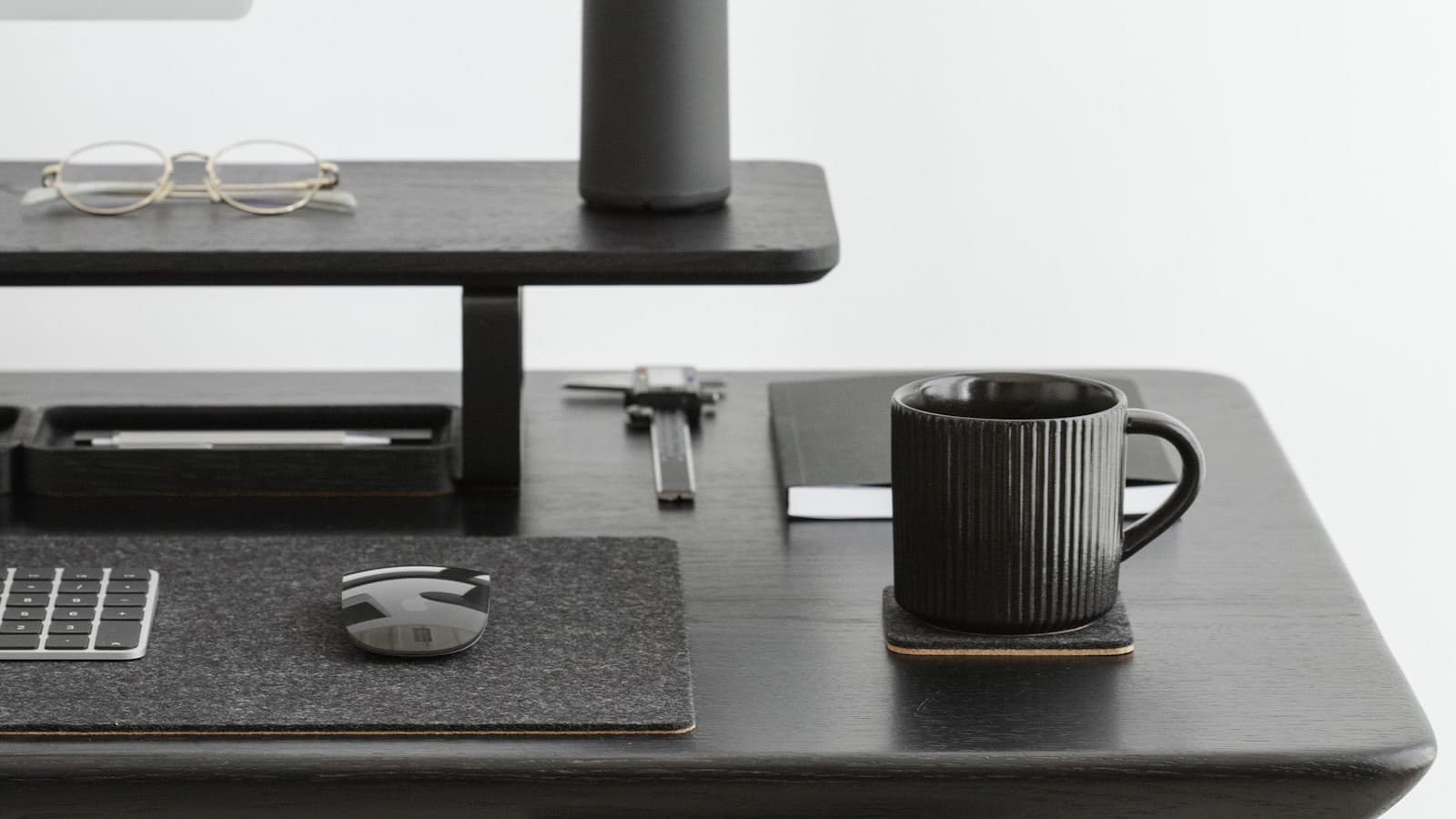
This is where most claims fail. A room used as an office by day and a guest room on weekends does not qualify. A desk in the corner of a living room the family also uses does not qualify. The space — even a portion of a room — must be used solely for business and nothing else.
The Two Methods
| Feature | Simplified | Regular |
|---|---|---|
| Calculation | $5 per sq ft | Actual expenses × business-use % |
| Maximum | 300 sq ft ($1,500 cap) | No square-footage cap |
| Recordkeeping | Minimal | Detailed records required |
| Depreciation | None | Home depreciation included |
| Recapture at sale | None | Applies to depreciation taken |
| Form | Schedule C worksheet | Form 8829 |
The simplified method ($5/sq ft up to $1,500) suits smaller offices and taxpayers who value simplicity. The regular method deducts the business-use percentage of actual expenses — rent or mortgage interest, utilities, insurance, repairs, and depreciation — and for a larger office or higher-cost home can far exceed the $1,500 cap.
Common Mistakes
- Failing the exclusive-use test — the most common and most consequential error
- Claiming it as a remote employee — the deduction is for the self-employed
- Overstating the business-use percentage
- Ignoring depreciation recapture under the regular method when the home is sold
- Poor documentation — no measurements, photos, or expense records
Key takeaway
The deduction is legitimate and worth claiming when you genuinely qualify. The two decisions that matter: pass the exclusive-use test honestly, and choose the method that maximizes the benefit — simplified for smaller offices and simplicity, regular for larger offices or higher-cost homes. Document the space and expenses, and the deduction is fully defensible.
SMAART Tax Team
CPAs & Enrolled Agents, SMAART Tax